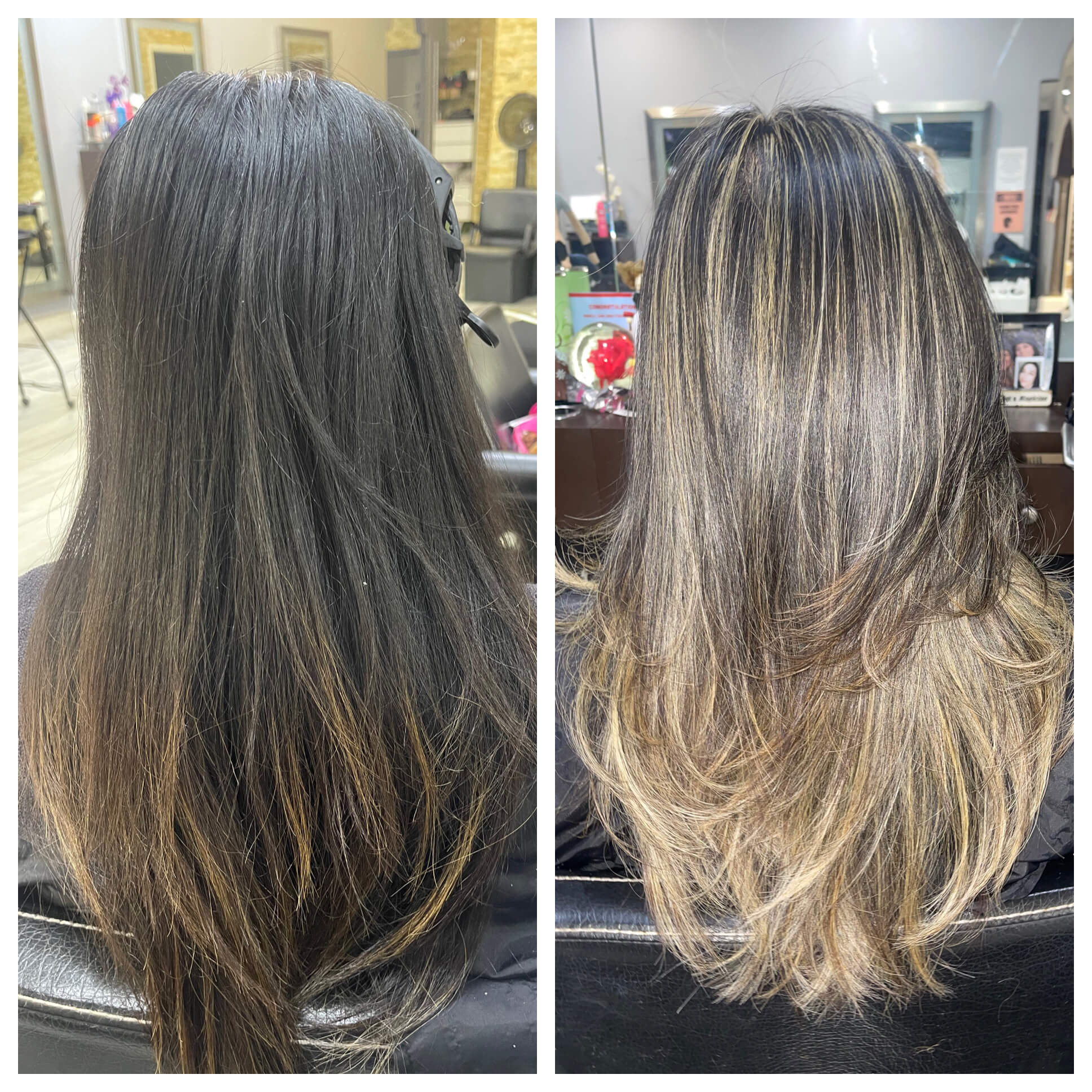
Asian Hair Coloring Guide: Why You Need a Hair Salon With an Asian Hair Specialist
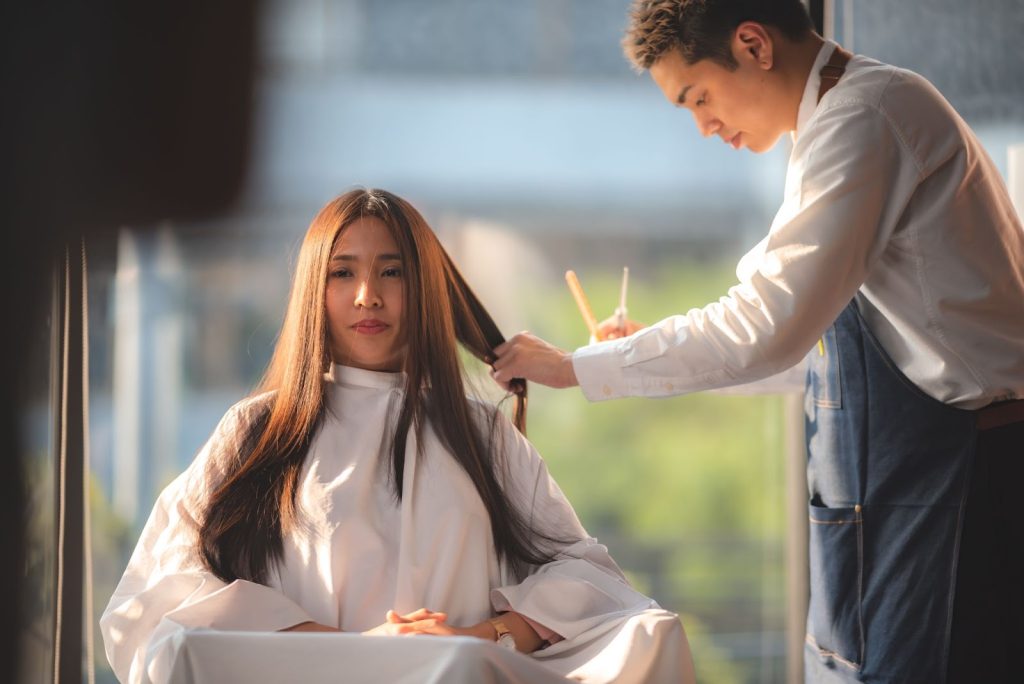
Asian hair is naturally thicker, darker, and more resistant to color absorption than other hair types, making it challenging to achieve certain shades without risking damage or uneven results. The strong cuticle layer requires specialized techniques, especially lightening and toning, to prevent brassiness and breakage. Hair coloring can lead to disappointing outcomes without proper expertise, from patchy color to excessive dryness. A hair salon with an Asian hair specialist understands these unique characteristics and applies tailored methods to achieve vibrant, long-lasting results while maintaining hair health. Understanding the Unique Characteristics of Asian Hair Asian hair stands out due to its distinct structure, requiring specialized care regarding coloring. Its dense, dark pigments make lifting to lighter shades more challenging, while the strong cuticle layer adds resistance to chemical treatments. These factors influence how hair absorbs and retains color, affecting the final result and long-term maintenance. A closer look at these characteristics explains why a professional approach is essential for achieving vibrant, healthy hair color. Thicker and Denser Strands Each strand of Asian hair has a rounder and thicker structure than other hair types. This density makes it appear fuller but requires stronger chemicals to penetrate during the coloring process. A specialist adjusts formulas and techniques to ensure even coverage without excessive damage. Darker Natural Pigment Asian hair contains high levels of eumelanin, which gives it a naturally deep black or dark brown color. Lifting this pigment to achieve lighter shades takes multiple processes, often requiring bleaching and toning to remove unwanted brassiness. The result can be uneven without proper expertise, leading to patchy or orange-toned hair. Stronger Cuticle Layer The cuticle layer of Asian hair is tightly packed, creating a natural barrier that slows down color absorption. This characteristic makes it more resistant to dyes and requires precise formulation for even saturation. Improper application can lead to color fading quickly or appearing dull instead of vibrant. Prone to Brassiness Warm undertones become more noticeable when Asian hair undergoes lightening treatments. Without the right toning products, colors can shift to unwanted yellow, orange, or red hues. A specialist understands how to neutralize these tones, ensuring a balanced, long-lasting shade. Straight Texture and Oil Distribution Most Asian hair has a naturally straight structure, allowing oils from the scalp to spread more efficiently. This natural moisture helps maintain shine but can also affect how hair holds color, sometimes leading to faster fading. Proper aftercare, including color-safe products, helps retain vibrancy and prevent premature dullness. Hair Coloring Challenges for Asian Hair at a Hair Salon Achieving the perfect shade for Asian hair requires expertise due to its unique structure and pigmentation. A hairstylist must navigate challenges like dark natural pigments, stubborn brassiness, and resistance to color absorption. A hair color specialist understands the precise hair treatments needed to lift color effectively while maintaining hair health. The results can be uneven without proper techniques, leading to damage or unwanted tones. Professional care ensures that each step, from bleaching to toning, is tailored to Asian hair’s specific needs. Difficulty in Lifting Dark Pigments Asian hair contains a high concentration of eumelanin, making it harder to lift to lighter shades. A standard bleach session may not be enough, often requiring multiple rounds to reach the desired color. A hair color specialist selects the right developer strength and processing time to minimize damage while achieving the proper lift. Incorrect lifting techniques can lead to patchy results, where some areas turn brassy while others remain dark. Proper expertise ensures an even transition, reducing the risk of excessive dryness or breakage. High Risk of Brassiness Warm undertones become prominent when Asian hair is lightened, often resulting in unwanted orange or yellow hues. Toning is essential, yet improper application can leave hair dull or faded. A hairstylist uses specialized toners to neutralize brassiness and achieve cool or ashy shades. Consistent hair treatments, including purple shampoos and color-refreshing masks, help maintain the intended tone. Without these steps, hair can quickly revert to an unappealing warm shade that requires frequent touch-ups. Resistant Cuticle Layer The tightly packed cuticle layer in Asian hair makes color penetration difficult, often leading to uneven absorption. Hair dye may sit on the surface without fully depositing, causing inconsistent shades. A hair color specialist preps the hair with pre-lightening techniques or higher-lift formulas to improve absorption. Proper formulation and application timing allow the color to develop fully while keeping the hair’s integrity intact. Rushed or improper processing produces faded, dull results instead of vibrant, long-lasting colors. Increased Risk of Hair Damage Frequent bleaching or improper coloring techniques can weaken Asian hair, making it prone to breakage and dryness. After multiple sessions, some hair types experience extreme brittleness, especially overusing bleach. Hair stylists incorporate deep conditioning treatments and bond-repair products to restore moisture and strength. Regular hair treatments, such as keratin masks or Olaplex, help maintain elasticity and reduce the risk of long-term damage. Proper post-color care is crucial in keeping the hair healthy and preventing excessive breakage. Fast Color Fading Asian hair’s straight texture allows natural oils to spread more efficiently, which can contribute to faster color fading. Vibrant shades, especially reds and pastels, may lose intensity within weeks if not correctly maintained. A hair color specialist recommends sulfate-free shampoos and color-sealing treatments to extend color longevity. Avoiding excessive heat styling and sun exposure also helps preserve the shade for longer. Without proper maintenance, freshly colored hair can look dull or washed out sooner than expected. Why an Asian Hair Specialist Makes a Difference Coloring Asian hair requires more than standard techniques, as its thick strands, dark pigments, and strong cuticle layer demand a specialized approach. An Asian hair specialist can lift color evenly, prevent unwanted brassiness, and maintain hair health. The wrong methods can result in patchy color, excessive damage, or fading that happens too quickly. Expertise in product selection, application techniques, and aftercare makes a noticeable difference in achieving vibrant, long-lasting results. Expertise in Lifting Dark Hair Dark pigments in Asian hair make it challenging to achieve lighter shades without multiple
Tips for Safely Transitioning to a New Hair Color, According to Hair Color Specialists
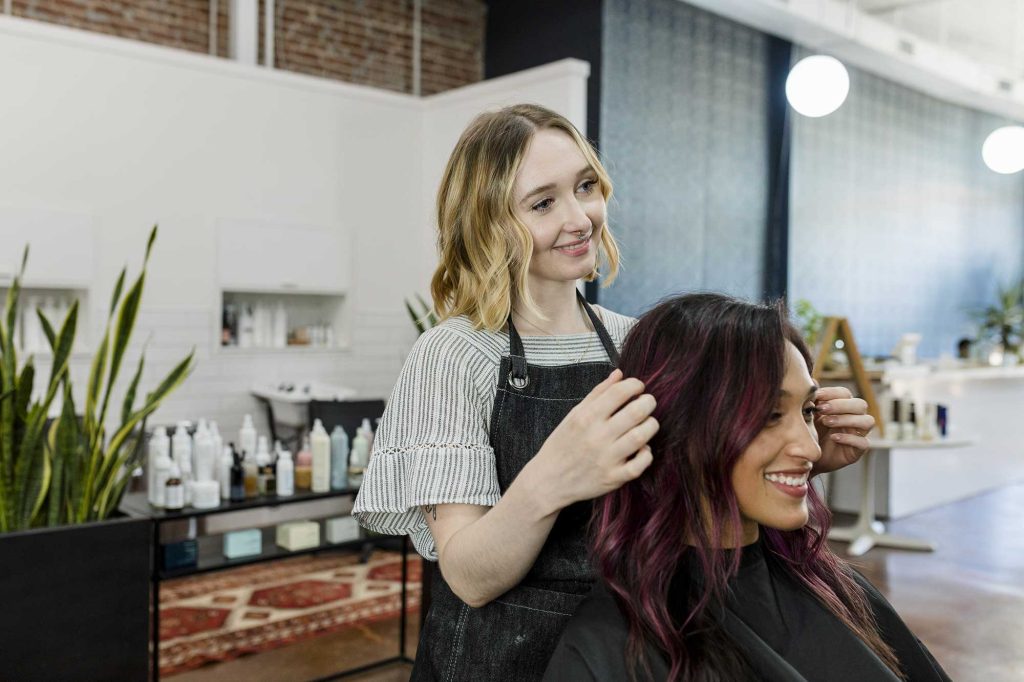
Switching to a new hair color requires careful planning to maintain hair health and achieve the desired result. Hair color specialists recommend selecting shades that complement skin tone, making gradual changes to prevent damage, and prioritizing hair care before and after coloring. Professional guidance helps avoid common mistakes, while proper aftercare extends the vibrancy of the color. Exploring safe techniques and knowing when to seek expert help ensures a smooth transition without regrets. Choosing the Right Hair Color for Your Skin Tone The right hair color enhances natural features and complements skin tone. A mismatch can create an unnatural contrast, making the complexion appear washed out or overly harsh. Selecting a shade based on undertones ensures a balanced and flattering result. Identify Your Skin’s Undertone Checking the color of veins on the wrist helps determine if the skin leans warm, cool, or neutral. Greenish veins indicate warm undertones, while bluish or purplish veins suggest cool undertones. Mixing both means a neutral undertone, allowing more flexibility in hair color choices. Match Hair Color to Complement Undertones Warm undertones pair well with golden blondes, rich auburn, and warm browns. Cool undertones look best with ash blondes, deep espresso, or cool reds. Neutral undertones can experiment with various shades, balancing warmth and coolness. Test a Temporary Shade First Trying a temporary or semi-permanent color helps visualize a shade’s appearance against the skin. These options fade over time, allowing adjustments without a long-term commitment. Testing prevents unwanted surprises and makes choosing the right permanent color easier. Preparing Your Hair for a New Hair Color Healthy hair holds color better and experiences less damage during the transition. Strengthening strands before coloring prevents excessive dryness and breakage. Proper preparation leads to longer-lasting, more vibrant results. Strengthen Hair With Deep Conditioning Treatments Hydrated hair absorbs color evenly and retains vibrancy longer. Weekly deep conditioning masks restore moisture and reinforce the hair shaft. Strengthening treatments reduce the risk of dryness and brittleness after coloring. Avoid Excessive Heat Styling Before Coloring Overusing hot tools weakens hair, making it more prone to breakage. Minimizing heat exposure before coloring helps maintain hair’s natural resilience. Less heat damage ensures a smoother, more even application of hair dye. Do a Strand Test Before Applying the Color Testing a small section of hair reveals how the color will develop. This step prevents unexpected results and reduces the chance of allergic reactions. Checking the outcome in advance allows adjustments before committing to a full-color change. Transitioning to a Lighter Hair Color Without Damage Lightening hair requires a gradual approach to maintain its strength and health. Rushing the process with excessive bleaching leads to dryness, breakage, and uneven results. Protective treatments and professional techniques ensure a smoother transition while keeping strands in good condition. Lighten Hair Gradually With Balayage or Highlights Going several shades lighter in one session puts excessive stress on hair. Adding balayage or highlights over time helps achieve a lighter look without full-head bleaching. This technique maintains dimension while preventing overprocessing. A slow transition minimizes dryness and breakage, keeping hair healthier in the long run. Use Bond-Building Treatments for Protection Lightening agents break down the hair’s natural bonds, leading to weakness and brittleness. Bond-building treatments, such as those with keratin or protein, reinforce the hair structure. Regular use strengthens strands, reducing the risk of excessive damage. Healthier hair retains moisture better, making the lighter shade appear more vibrant. Avoid Overlapping Bleach on Previously Lightened Hair Applying bleach over already-lightened sections increases the chance of breakage. Hair that has been lightened before is more fragile and requires extra care. Keeping bleach away from previously processed areas helps prevent uneven porosity and damage. Sectioning hair properly and focusing only on new growth leads to a healthier result. Maintain Moisture to Prevent Dryness and Breakage Hydrated hair withstands chemical treatments better than dry, brittle strands. Deep conditioning masks and leave-in treatments keep moisture levels balanced. Lightweight oils and serums help seal hydration, reducing frizz and split ends. Consistently nourishing hair improves its resilience, making it easier to maintain a lighter color without excessive damage. Switching to a Darker Hair Color Without Overprocessing Darkening hair seems less damaging than lightening, but improper application leads to uneven tones and unnecessary stress on strands. Applying color gradually and using gentle formulas keeps hair healthy while achieving rich, long-lasting results. Protecting hair before and after coloring helps maintain shine and prevent dryness. Choose Ammonia-Free Dyes for a Gentler Transition Harsh chemicals in permanent dyes weaken hair, making it prone to dryness and breakage. Ammonia-free formulas provide deep color without stripping natural moisture. These dyes are ideal for maintaining hair health while achieving a rich, long-lasting shade. Less exposure to strong chemicals keeps strands softer and more manageable. Apply Color in Layers for Even Coverage Darker pigments absorb quickly, making uneven application more noticeable. Layering color in thin sections ensures full saturation and prevents patchiness. Working methodically from roots to ends creates a seamless blend. Taking time with the application improves the depth and richness of the final result. Use Color-Safe Shampoos and Conditioners to Maintain Vibrancy Regular shampoos strip away pigment, causing new colors to fade too quickly. Color-safe products lock in moisture and preserve intensity. Ingredients like keratin and argan oil help maintain shine while reducing frizz. Washing with lukewarm water further prevents color loss and keeps strands healthy. Deep Condition Regularly to Prevent Dryness Dark hair shades often contain heavier pigments that can make strands feel drier over time. Hydrating masks and protein treatments restore balance and prevent brittleness. Consistent deep conditioning improves elasticity, reducing the risk of breakage. Well-moisturized hair holds darker color better, leading to a longer-lasting, glossy finish. Safely Going From One Bold Hair Color to Another Bright and vivid shades require extra care when transitioning to a new color. Residual pigment from previous dyes affects the outcome, making it essential to fade or neutralize unwanted tones first. Protecting hair throughout the process ensures a smooth change without excessive damage. Fade the Previous Color Before Applying
Achieving the Perfect Balayage Color
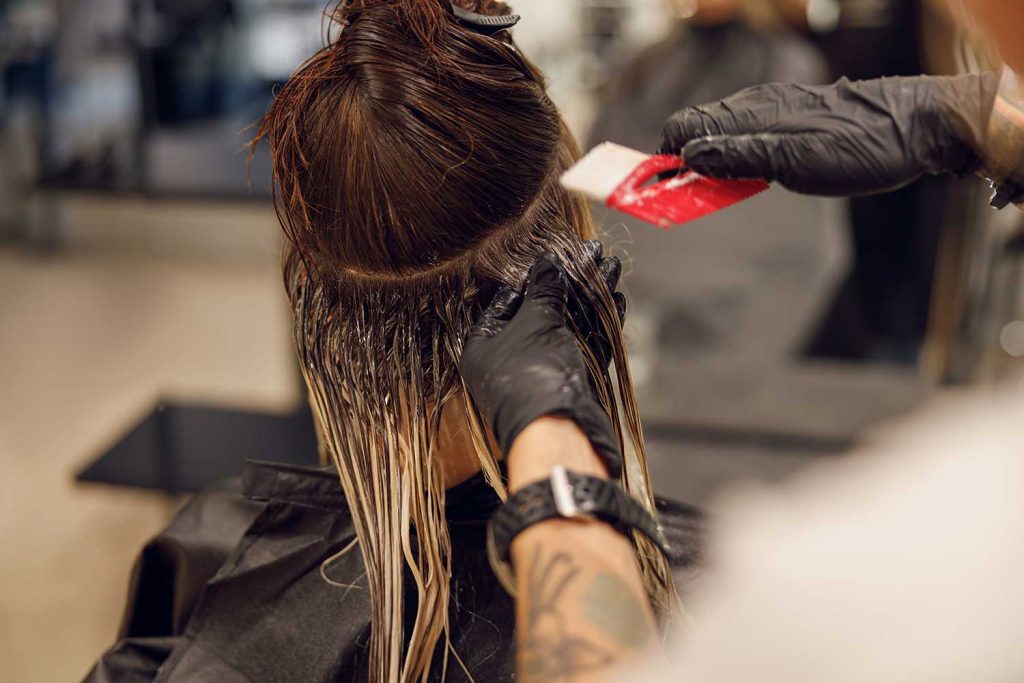
Balayage is a sought-after hair coloring method that delivers a natural, sun-kissed look. Its freehand technique, where color is painted onto the hair, creates smooth, blended transitions that mimic how sunlight naturally lightens hair. The growing popularity of this method stems from its ability to suit various hair lengths and textures while offering a low-maintenance, effortlessly chic style. Clients appreciate how it grows out gracefully, reducing the need for frequent touch-ups. Its customizable nature further enhances its appeal, as stylists can tailor the color placement to complement individual features and preferences. Understanding Balayage Techniques Selecting a balayage specialist ensures the best results because this technique requires skill, precision, and an artistic touch. A professional can create a seamless blend of colors tailored to your unique features and preferences, enhancing your hair’s natural beauty. Trusting an expert guarantees a stunning look that complements your style and lasts longer with proper care. How Balayage Hair Coloring Works Balayage hair coloring is a meticulous process that combines technique and artistry to create seamless, sun-kissed highlights. Each step — from sectioning the hair to blending the color — is vital in achieving a natural and radiant finish. 1. Sectioning the Hair The stylist begins by dividing the hair into sections, focusing on areas where the highlights will be most prominent. This step ensures even application and helps create a natural gradient effect. Proper sectioning is crucial for achieving a balanced and harmonious look. 2. Painting the Color The stylist uses a freehand technique to sweep color onto the hair in gentle, flowing motions. This approach avoids harsh lines, creating soft transitions between the natural hair and the highlights. Each stroke is applied strategically to mimic how the sun naturally lightens the hair. 3. Blending and Processing After applying the color, the stylist blends it further to ensure a flawless finish. The hair is then processed, allowing the color to develop to the desired intensity. The result is a beautifully blended, natural-looking highlight that enhances the hairstyle. How Balayage Stands Out From Other Hair Coloring Techniques Balayage differs significantly from traditional hair coloring methods, offering unique benefits that set it apart. Unlike techniques such as foiling or ombré, balayage delivers a natural, low-maintenance look that feels effortless yet polished. This innovative approach has become a favorite for those seeking personalized and subtle highlights. Foil Highlights vs. Balayage Foil highlights involve wrapping sections of hair in foil for precise color placement and a more uniform effect. Balayage, on the other hand, is applied freehand, creating a softer and more natural appearance. While foil highlights can sometimes look rigid, balayage offers seamless blending with less maintenance. Ombré vs. Balayage Ombré focuses on creating a stark gradient, transitioning from darker roots to lighter ends more dramatically. Balayage achieves a subtler effect with color seamlessly sweeping through the hair, blending both light and dark tones. Thus, balayage is better for those who want a more natural, sun-kissed look. All-Over Hair Color vs. Balayage All-over hair color changes the entire head to one uniform shade, offering no variation in tone. Balayage introduces dimension and depth by incorporating highlights that enhance the hair’s natural movement. This technique allows for a more dynamic, multi-tonal appearance, elevating the overall style with minimal upkeep. Choosing the Right Balayage Hair Color Shades Choosing the right balayage hair color shades is essential for achieving a flawless look, and a balayage hair color specialist can ensure the results are perfectly tailored to you. A skilled hair color specialist considers skin tone, natural hair color, and personal style to create a customized look that enhances your overall appearance. Determine Your Skin Tone The first step is identifying whether your skin tone is warm, cool, or neutral. Warm skin tones are complemented by shades like honey, caramel, or golden hues that add richness to the hair. Cooler skin tones look best with shades such as ash blonde, icy highlights, or platinum, creating a sophisticated, balanced effect. Neutral tones offer more flexibility, as they can accommodate both warm and cool balayage colors. Evaluate Your Natural Hair Color The natural base color of your hair determines how highlights will blend and enhance your overall look. A balayage hair color specialist selects shades that harmonize with your base, creating a seamless transition. For darker hair, subtle lighter tones can add depth, while lighter bases allow for bolder contrast. This ensures the final result looks natural and flattering. Align with Your Personal Style Your style is a significant factor in selecting the right balayage shades. For a dramatic look, high-contrast highlights are a bold choice that makes a statement. If you prefer a more understated appearance, softer transitions in similar tones create an elegant and natural effect. The shades should ultimately reflect your personality and desired aesthetic. Consult with a Balayage Hair Color Specialist An experienced balayage hair color specialist provides expert guidance in shade selection. They consider your skin tone, natural hair color, and personal preferences to craft a tailored look. Their expertise ensures the highlights are strategically placed for the most flattering outcome. Consulting with a professional Balayage hair color specialist guarantees that the final look aligns perfectly with your vision. Preparing Your Hair Before Balayage Hair Color Treatment Proper preparation is key to achieving the best balayage hair color treatment results. Taking steps to ensure your hair is healthy and ready for coloring enhances the final look and protects your hair from unnecessary damage. A little preparation goes a long way in helping the color last longer and appear more vibrant. Deep Condition Your Hair Hydrated hair absorbs color evenly and retains its vibrancy. A deep conditioning treatment a week or two before your appointment strengthens your strands and prevents excessive dryness during the coloring process. This step is especially important for those with brittle or damaged hair, as it helps create a healthy base for balayage. Avoid Washing Your Hair Before the Appointment Natural oils in your hair act as a protective barrier against the chemicals used during coloring. Washing your hair